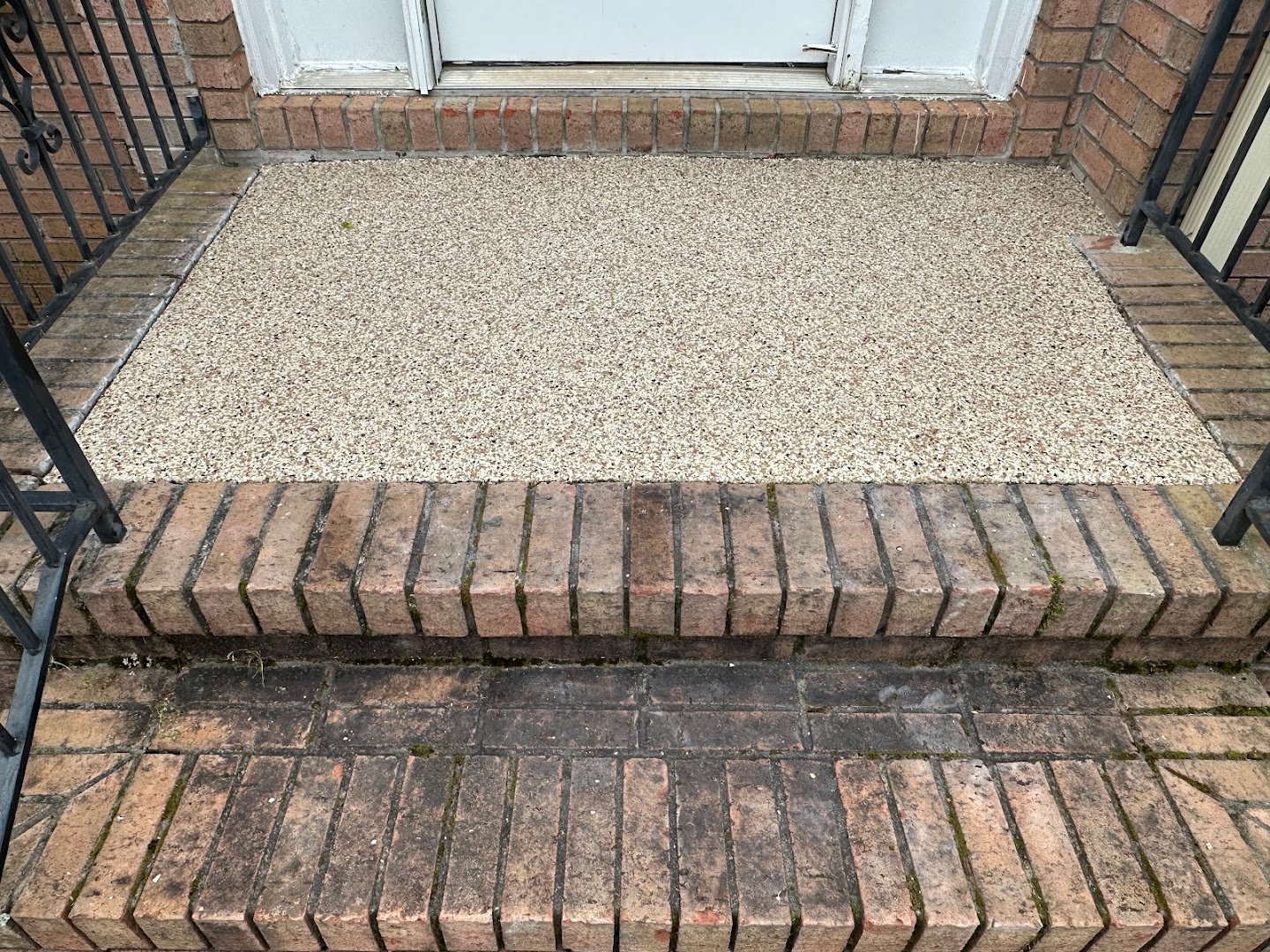
Quick answer: Professional garage floor coatings Atlanta GA homeowners choose, like epoxy and polyaspartic systems, typically last 10 to 20+ years with proper installation and care. Durability depends on the coating material, surface preparation, and how much foot or vehicle traffic the garage sees. Polyaspartic coatings generally outlast epoxy due to their superior UV resistance and flexibility.
Key Takeaways
- Quality durable garage flooring systems, when professionally installed, can last well over a decade—some lasting 20 years or more with minimal maintenance.
- Surface preparation (grinding, etching, and moisture testing) plays a bigger role in coating longevity than the product itself.
- Atlanta's humidity and temperature swings make certain coatings, like polyaspartic, a better long-term investment than DIY epoxy kits.
Garage floors take a beating. Between hot tires, dropped tools, oil drips, and the occasional spilled paint can, that concrete slab under your car works harder than most surfaces in your home. If you're considering an upgrade, you've probably wondered how long a professional coating will actually hold up before you need to redo it.
The honest answer: it depends on what you choose and who installs it. At Valen Concrete Coatings, we've seen firsthand how the right system can transform a cracked, stained garage floor into a surface that looks showroom-ready for well over a decade. Below, we'll break down what affects coating lifespan, how different materials compare, and what Atlanta homeowners should know before investing in garage floor coatings Atlanta GA residents can count on.
What Factors Affect How Long a Garage Floor Coating Lasts?
How much does surface preparation matter?
Surface preparation is the single biggest factor in coating longevity. A coating applied over a poorly prepped slab—one with leftover sealers, moisture issues, or surface contaminants—will peel, bubble, or chip far sooner than expected, regardless of how expensive the product is.
Professional installers like Valen Concrete Coatings use mechanical diamond grinding to open up the concrete's pores, allowing the coating to bond mechanically rather than just sitting on top. This step alone can be the difference between a coating that lasts 3 years and one that lasts 15.
Does the type of coating material change its lifespan?
Yes, significantly. Here's how common garage floor coating types typically compare:
- DIY epoxy kits: 1 to 3 years before noticeable peeling or yellowing, especially under direct sunlight or heavy vehicle traffic.
- Professional-grade epoxy: 5 to 10 years with proper care, though it can yellow over time when exposed to UV light.
- Polyaspartic coatings: 10 to 20+ years. These systems cure faster, resist UV yellowing, and flex slightly with the concrete to resist cracking.
- Polyurea/polyaspartic hybrid systems: Often the most durable option, combining the flexibility of polyurea with the UV stability of polyaspartic for long-term performance in varied climates.
If you're trying to decide between options, choose epoxy if your garage sees light use and budget is the main priority. Choose polyaspartic or a hybrid system if you want maximum durability, faster installation, and better resistance to Atlanta's humidity and heat.
How does Atlanta's climate affect garage floor coatings?
Atlanta's combination of humid summers, cooler winters, and significant temperature swings puts extra stress on garage floors. Concrete expands and contracts with temperature changes, and moisture can seep up through the slab if it isn't properly sealed first.
This is why moisture testing before installation matters so much in this region. A coating applied over a slab with trapped moisture is far more likely to delaminate, sometimes within the first year. Polyaspartic coatings tend to perform better here because of their flexibility and faster cure times, which reduce the window for moisture-related issues during installation.
How much traffic can a coated garage floor handle?
Foot traffic alone rarely causes wear issues. The real stress comes from vehicle tires, especially if you're parking a heavier truck or SUV, and from dropped tools, jacks, or heavy equipment.
For garages with daily vehicle use, a thicker multi-coat system with a durable topcoat will hold up far better than a single-coat application. Adding anti-slip additives to the topcoat can also extend the life of the coating by reducing surface abrasion from foot traffic and dragged items.
What Can You Do to Extend the Life of Your Garage Floor Coating?
A few simple habits go a long way in protecting your investment:
- Sweep regularly to remove grit and debris that can scratch the surface over time.
- Clean spills promptly, especially oil, gasoline, or chemicals that can degrade certain coating types if left to sit.
- Use furniture pads or mats under heavy equipment, jacks, or tool chests to prevent surface wear.
- Avoid dragging sharp or heavy objects across the floor, which can scuff or gouge even the most durable coatings.
- Reseal periodically if recommended by your installer, particularly for epoxy systems that may benefit from a refreshed topcoat every several years.
Why Professional Installation Matters More Than the Product Itself
It's tempting to assume that a premium coating product guarantees a premium result. In reality, even the best polyaspartic system will underperform if it's applied over an improperly prepped or moisture-compromised slab. Professional installers bring the equipment, diagnostic tools, and experience needed to catch issues that a DIY approach would miss entirely.
At Valen Concrete Coatings, every project starts with a thorough assessment of the existing slab, including moisture testing and surface grinding, before any coating is applied. This process is what allows our installations to deliver the long-term durability that durable garage flooring should provide, not just a fresh look that fades within a couple of years.
Is It Worth Investing in a Professional Garage Floor Coating?
For most Atlanta homeowners, the answer is yes. A professionally installed coating protects the underlying concrete from stains, cracks, and moisture damage while giving your garage a cleaner, more finished appearance. Given that a quality system can last 10 to 20 years with minimal upkeep, the cost per year of ownership is often lower than repeatedly patching or resealing an uncoated slab.
If you're ready to find out which coating system makes sense for your garage, reach out to Valen Concrete Coatings for an on-site assessment. Our team can walk you through the options and help you choose a solution built to handle Atlanta's climate and your household's specific needs.
Frequently Asked Questions
How much does a professional garage floor coating cost in Atlanta?
Costs vary based on garage size, the type of coating selected, and the condition of the existing slab, but professional installations are generally more expensive upfront than DIY kits. The tradeoff is a significantly longer lifespan and fewer repairs over time.
How long does it take to install a garage floor coating?
Most professional installations take one to three days, depending on the coating system and whether extensive surface prep or repairs are needed before application.
Can I park my car on the coated floor right away?
No. Most coatings require a curing period before they can handle vehicle weight, ranging from 24 hours for fast-curing polyaspartic systems to several days for traditional epoxy.
What's the difference between epoxy and polyaspartic coatings?
Epoxy is more affordable but prone to UV yellowing and slower curing, while polyaspartic coatings cure faster, resist UV damage better, and tend to last longer overall.
Are there alternatives to full coating systems?
Yes, options like concrete stains or sealers exist, but they offer less protection against stains, chemicals, and wear compared to a full epoxy or polyaspartic coating system.