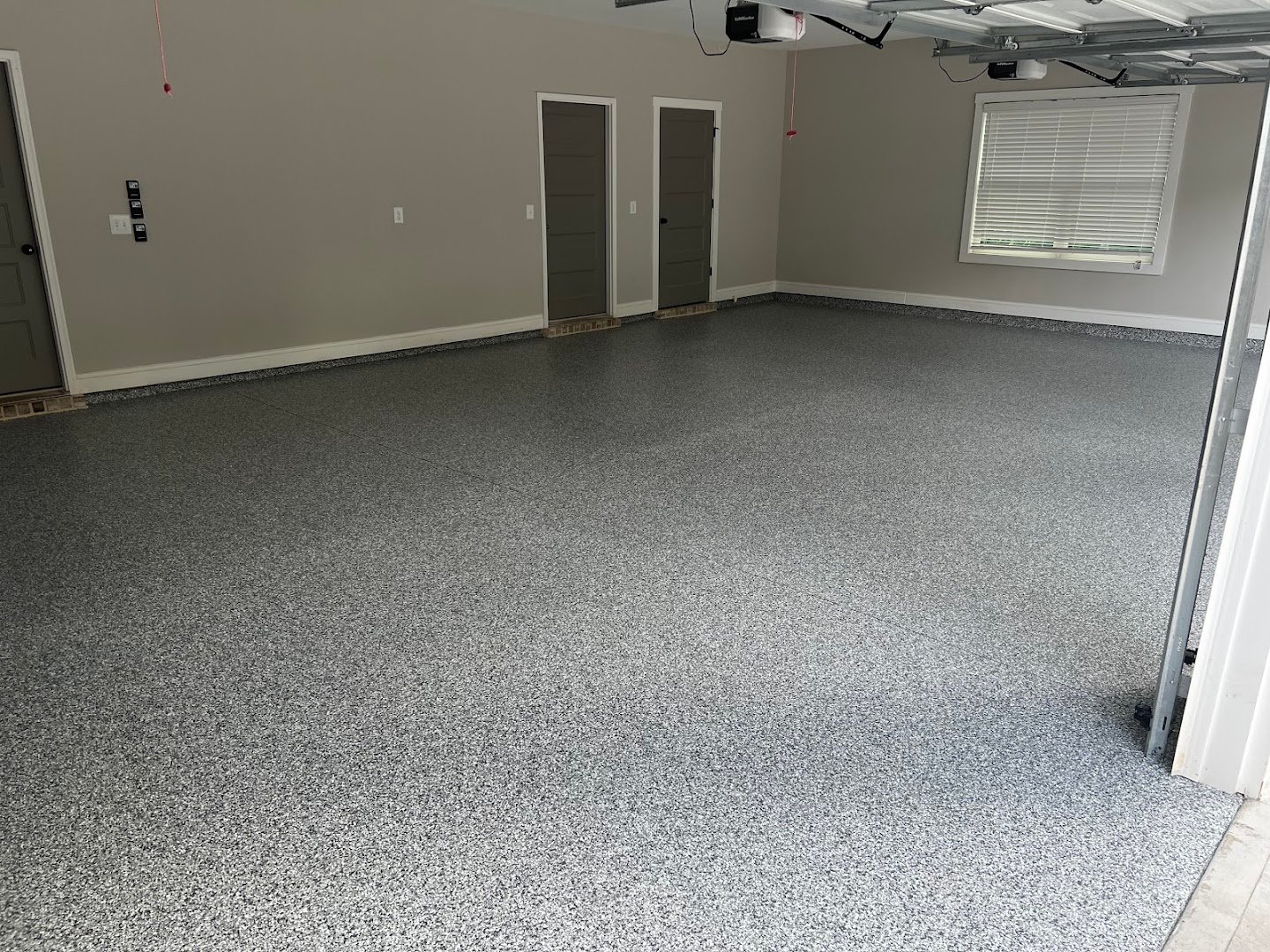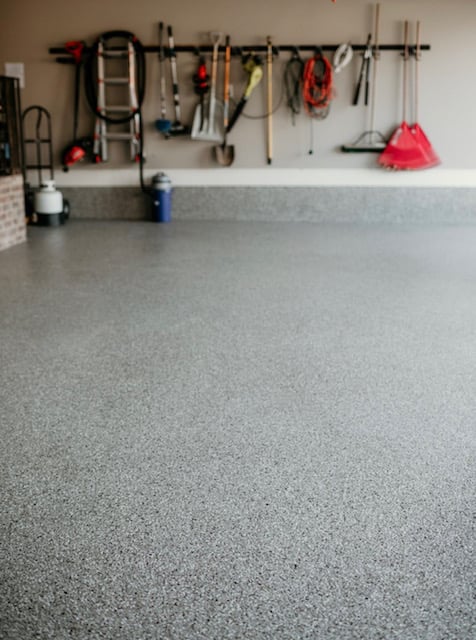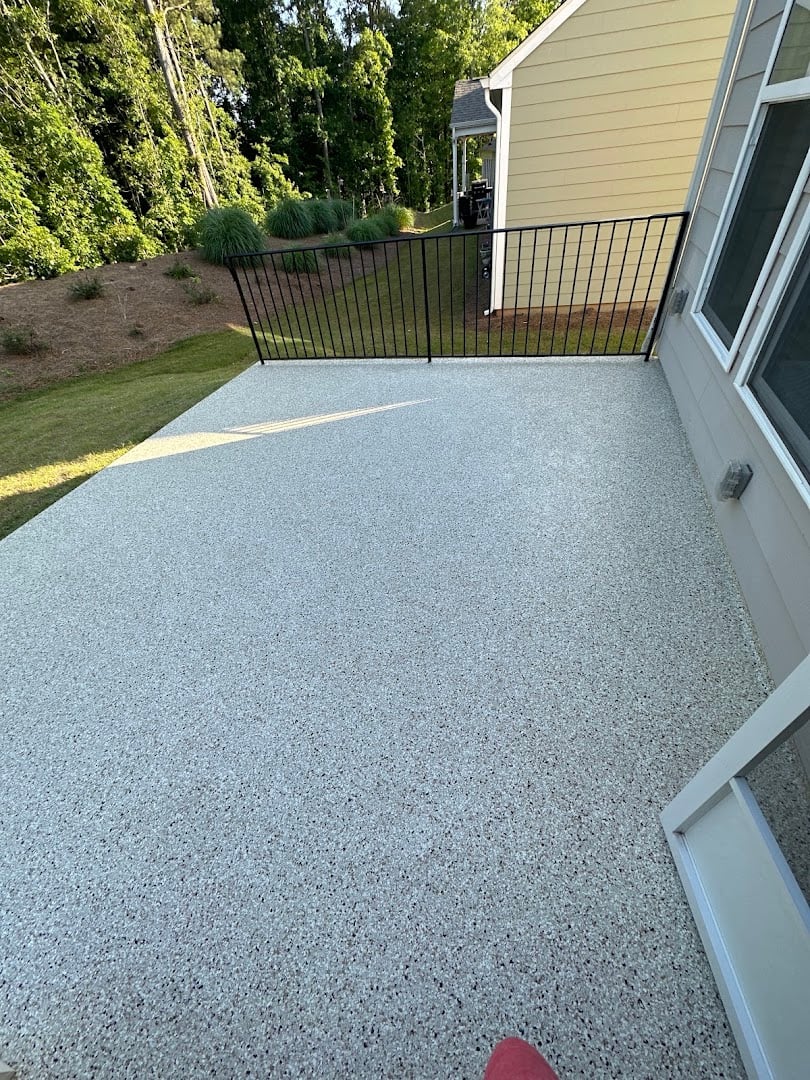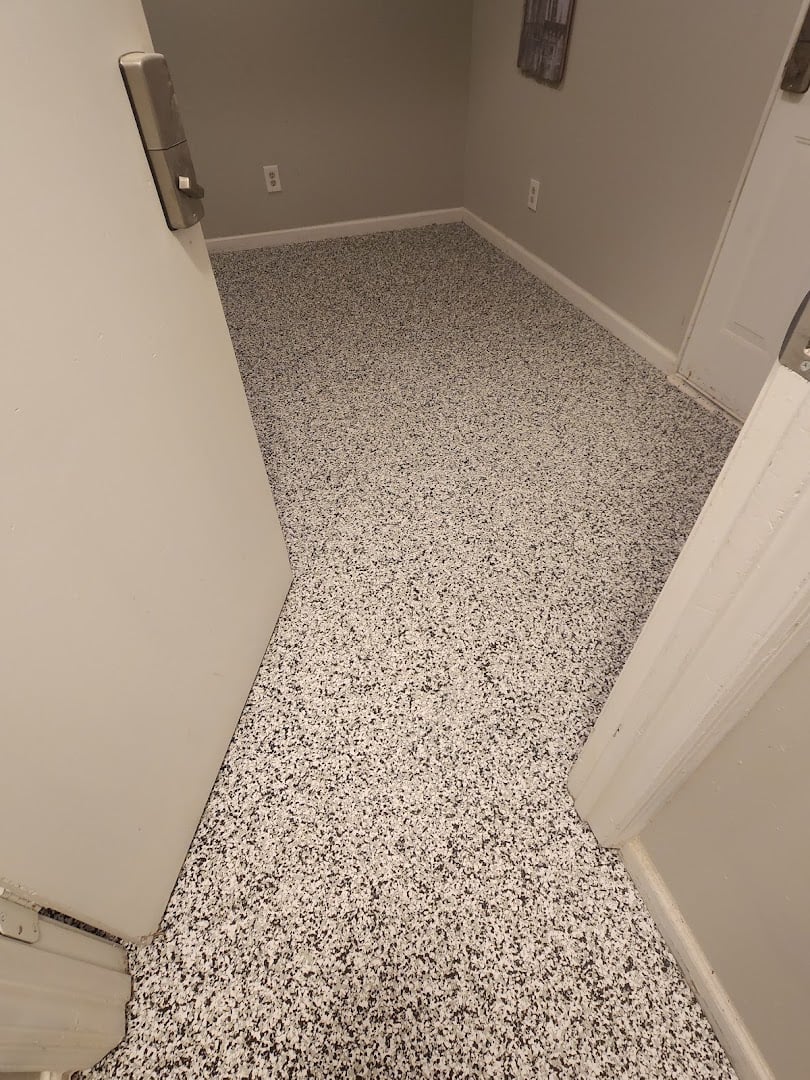
Quick answer: Rubber pool deck coatings stay cool underfoot, resist slips when wet, and hold up against Georgia's intense heat and humidity. For homeowners in Peachtree City, they offer a safer, more comfortable, and longer-lasting alternative to traditional concrete or tile pool decks.
Georgia summers are no joke. Between the blazing sun, sticky humidity, and afternoon thunderstorms, your pool deck takes a serious beating. If you've ever hopped across scorching concrete or slipped on a wet tile edge, you know the struggle.
That's where rubber coatings come in. They're designed to handle everything a Southern summer throws at them—heat, moisture, and constant foot traffic. In this post, we'll break down why rubber pool deck coatings Peachtree City GA homeowners are choosing this option, and how pool deck resurfacing can transform your backyard into a safer, more inviting space.
Key Takeaways
- Rubber pool deck coatings stay noticeably cooler than concrete and tile, making them comfortable to walk on even during peak Georgia heat.
- The textured, slip-resistant surface reduces the risk of falls around wet pool areas—an important safety benefit for families.
- Resurfacing with a rubber coating is a cost-effective way to repair, upgrade, and protect your existing pool deck without a full replacement.
What Makes Rubber Pool Deck Coatings a Smart Choice for Hot Climates?
Concrete and tile soak up heat fast. By early afternoon, those surfaces can get hot enough to burn bare feet. Rubber coatings work differently. The material reflects more sunlight and absorbs less heat, so the surface stays cooler even under direct sun.
For families spending long days by the pool, that difference matters. Kids can run around without doing the "hot deck dance," and you can lounge poolside without needing shoes. In a climate like Peachtree City's, where summer temperatures regularly climb into the 90s, a cooler deck is a genuine everyday comfort.
How Do Rubber Coatings Improve Safety Around the Pool?
Wet surfaces and bare feet are a dangerous combination. Slick tile and smooth concrete become hazards the moment water splashes onto them. Rubber coatings solve this with a naturally textured, grippy finish.
This slip-resistant surface gives you traction even when it's soaked. For households with young children or older adults, that added grip offers real peace of mind. Fewer slips mean fewer scraped knees and trips to the emergency room.
The cushioned feel is another bonus. Rubber has some give to it, so a stumble is far less likely to end in injury compared to landing on hard concrete.
Can Rubber Coatings Handle Georgia's Humidity and Rain?
Georgia weather swings from bone-dry heat to sudden downpours, sometimes in the same afternoon. That constant moisture wreaks havoc on standard pool decks, leading to cracks, mold, and slippery buildup over time.
Rubber pool deck coatings are built to resist water damage. The material doesn't trap moisture the way porous concrete does, which helps prevent mold and mildew growth. It also stands up to repeated wet-dry cycles without cracking or peeling.
That durability means less maintenance for you. A quick rinse and the occasional cleaning are usually all it takes to keep the surface looking fresh season after season.
Why Choose Pool Deck Resurfacing Over a Full Replacement?
If your current deck is cracked, faded, or just plain uncomfortable, you might assume a full tear-out is the only fix. It isn't. Pool deck resurfacing lets you upgrade what you already have—often at a fraction of the cost of replacement.
Here's why resurfacing makes sense for many Georgia homeowners:
- Lower cost: You skip the expensive demolition and rebuild.
- Faster project: Resurfacing typically takes far less time than a full replacement.
- Fresh look: You get a wide range of colors and finishes to match your backyard style.
- Added protection: The new coating seals and shields the concrete underneath, extending its life.
Resurfacing covers up minor cracks and surface flaws while giving you all the heat and slip benefits of a rubber finish. It's a practical middle ground between living with a worn deck and paying for a brand-new one.
What Should Peachtree City Homeowners Look for in a Coating Company?
Not all coatings are created equal, and neither are the crews that install them. A quality rubber deck coating depends heavily on proper surface prep and application. Look for a local company that understands Georgia's climate and has experience with pool decks specifically.
A good contractor will inspect your existing deck, recommend the right product, and give you a clear timeline. Ask about warranties, color options, and how they handle repairs to the underlying concrete before coating. Choosing an experienced local team helps ensure your investment lasts through many summers to come.
Ready to Beat the Heat This Summer?
A cooler, safer, and better-looking pool deck is well within reach. Rubber coatings check every box for Georgia homeowners—comfort underfoot, reliable grip when wet, and durability against the region's demanding weather. If your deck has seen better days, resurfacing offers a smart, budget-friendly way to bring it back to life.
Valen Concrete Coatings specializes in rubber pool deck coatings Peachtree City GA families trust. Reach out today for a consultation and find out how pool deck resurfacing can make this your best pool season yet.
Frequently Asked Questions
How long do rubber pool deck coatings last?
With proper installation and basic care, quality rubber pool deck coatings can last many years. Their resistance to water, heat, and UV exposure helps them outlast untreated concrete, though lifespan varies based on product quality and foot traffic.
Are rubber pool deck coatings slippery when wet?
No. One of the main benefits of rubber coatings is their textured, slip-resistant surface. They provide better traction than smooth tile or concrete, even when soaked, which makes them a safer choice around pools.
How much does pool deck resurfacing cost?
Costs vary depending on the size of your deck, its current condition, and the finish you choose. Resurfacing is generally far more affordable than a full replacement since it avoids demolition. A local company can give you an accurate quote after inspecting your deck.
Can you resurface a cracked or damaged pool deck?
Yes. Minor cracks and surface flaws can usually be repaired before the coating is applied. Resurfacing seals and protects the concrete underneath, which helps prevent future damage.